
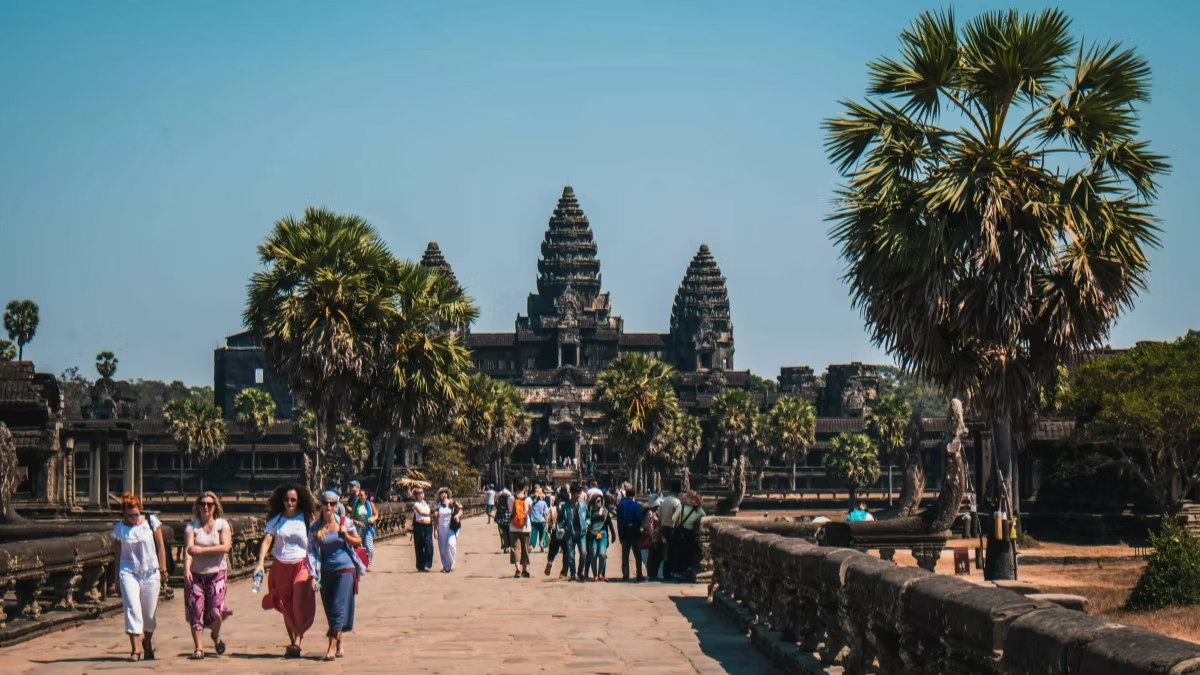
Plan Your Visit to Angkor Wat
Everything you need to plan the perfect visit to Angkor Wat — from opening hours and best times to visit to what to wear and how to get there. Our complete guide covers transportation, accessibility, itineraries, crowds, etiquette, and insider tips for first-time visitors.
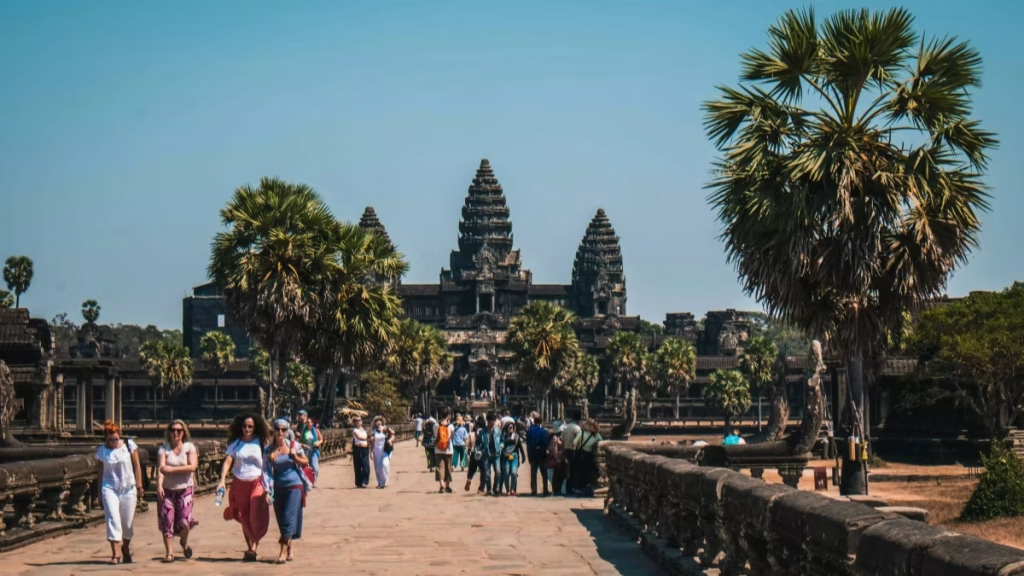
Visit during the dry season (November to February) for the best weather, clearest skies, and most comfortable temperatures.
Plan for at least 2–3 hours for a full visit. Most visitors spend a complete day exploring the temple complex thoroughly.
Wear lightweight, comfortable clothing that covers your shoulders and knees. Comfortable walking shoes are essential, and bring a hat, sunscreen, and plenty of water.
Siem Reap is the gateway to Angkor Wat, located about 5.5km north of the town. Book a tour that includes transportation or hire a private driver.
Essential Planning Guides
Start with these three essential resources before planning anything else.

Angkor Wat Opening Hours
Opening and closing times for Angkor Wat and major surrounding temples, including sunrise access and last-entry details.
Read more →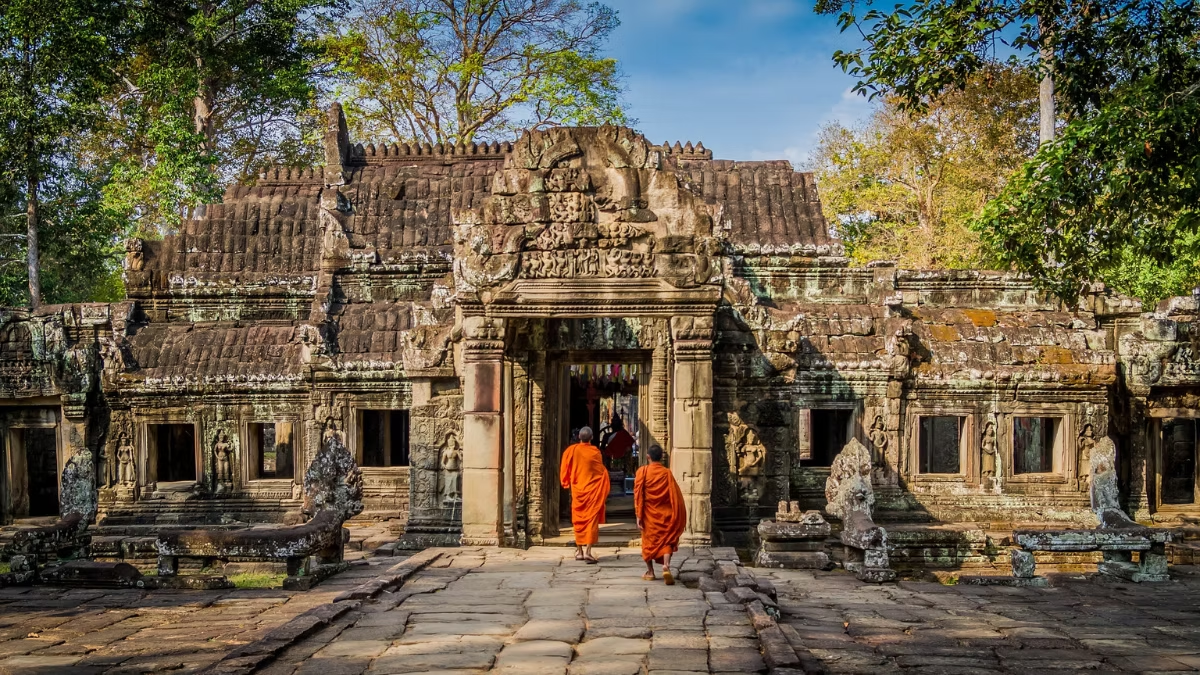
Best Time to Visit Angkor Wat
Month-by-month breakdown of weather, crowds, and conditions to help you choose the perfect time to visit the temples.
Read more →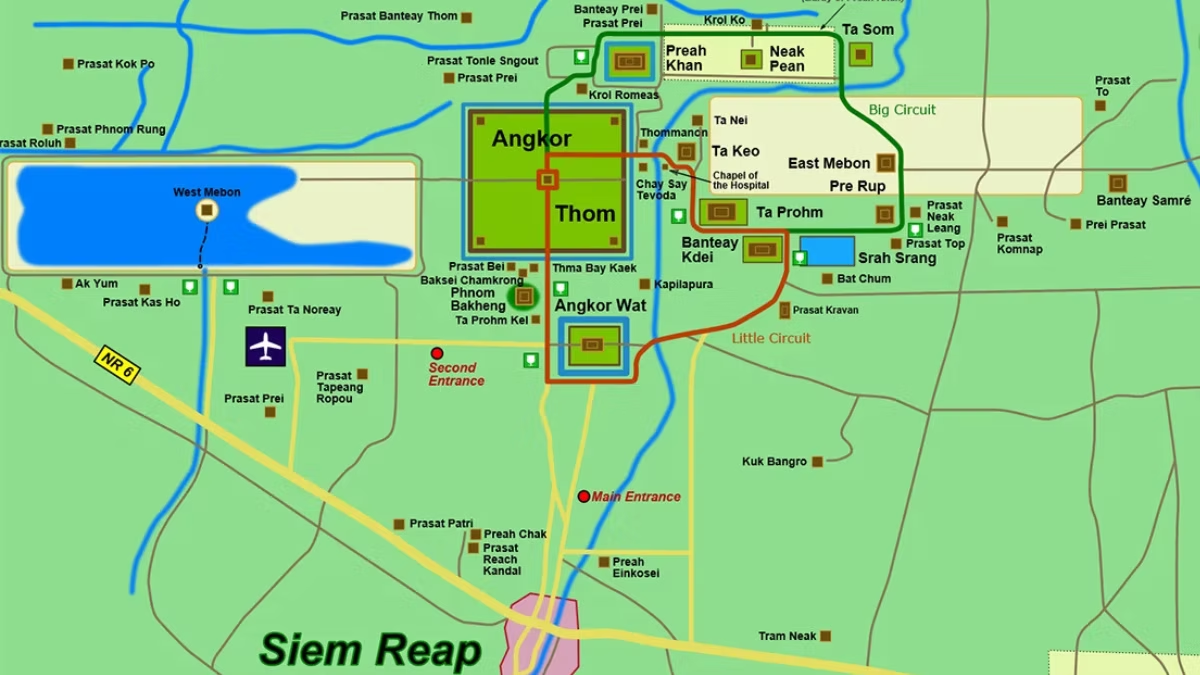
Angkor Wat Map
A clear guide to the temple layout, key landmarks, and the most efficient routes through the vast Angkor Archaeological Park.
Read more →Plan Your Trip
Essential resources to help you prepare for your Angkor Wat adventure before you arrive.

How Many Days Do You Need at Angkor Wat?
One day, two days, or three? Find the right itinerary length based on your pace and what you want to see.
Read more →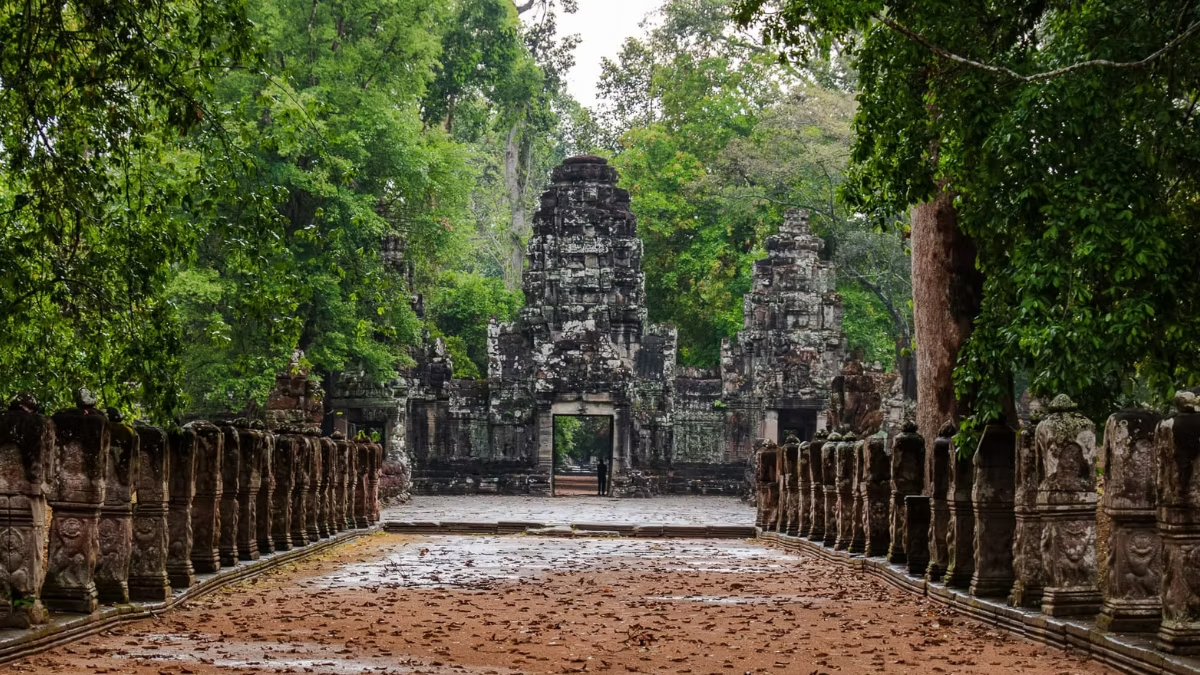
Angkor Wat Itinerary — 1 Day, 2 Days & 3 Days
Ready-to-use day-by-day itineraries covering sunrise, main temples, and hidden gems for every trip length.
Read more →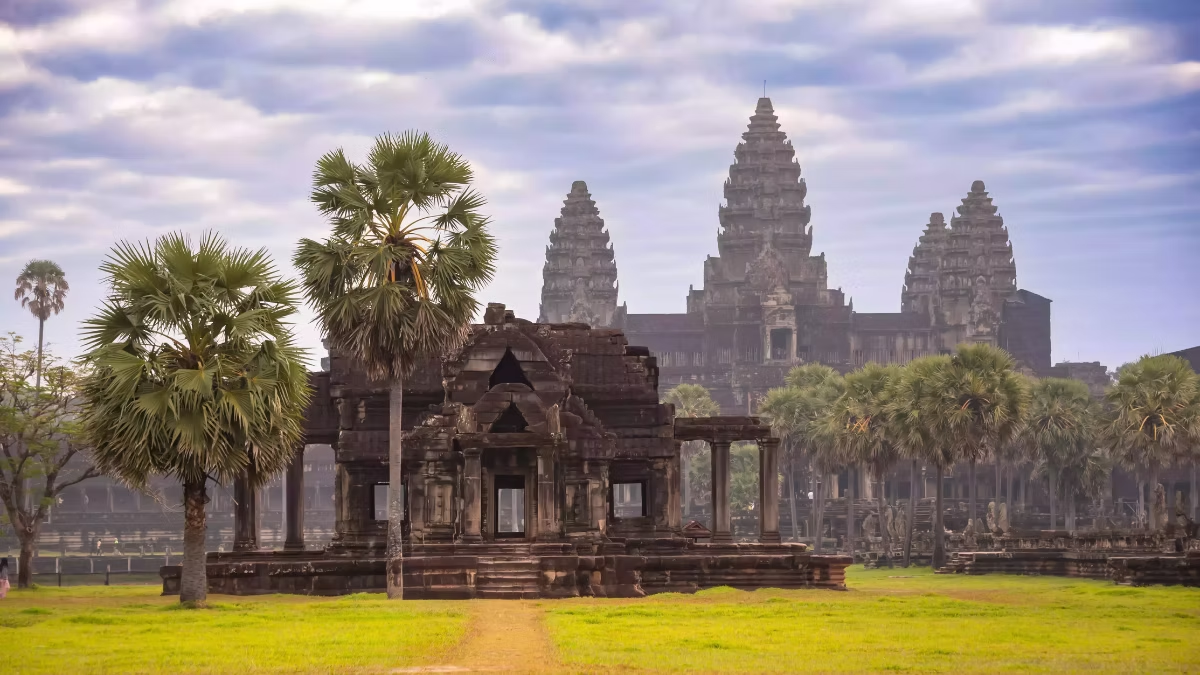
Angkor Wat on a Budget
A full breakdown of pass prices, transport costs, food, guides, and tips for visiting Angkor Wat without overspending.
Read more →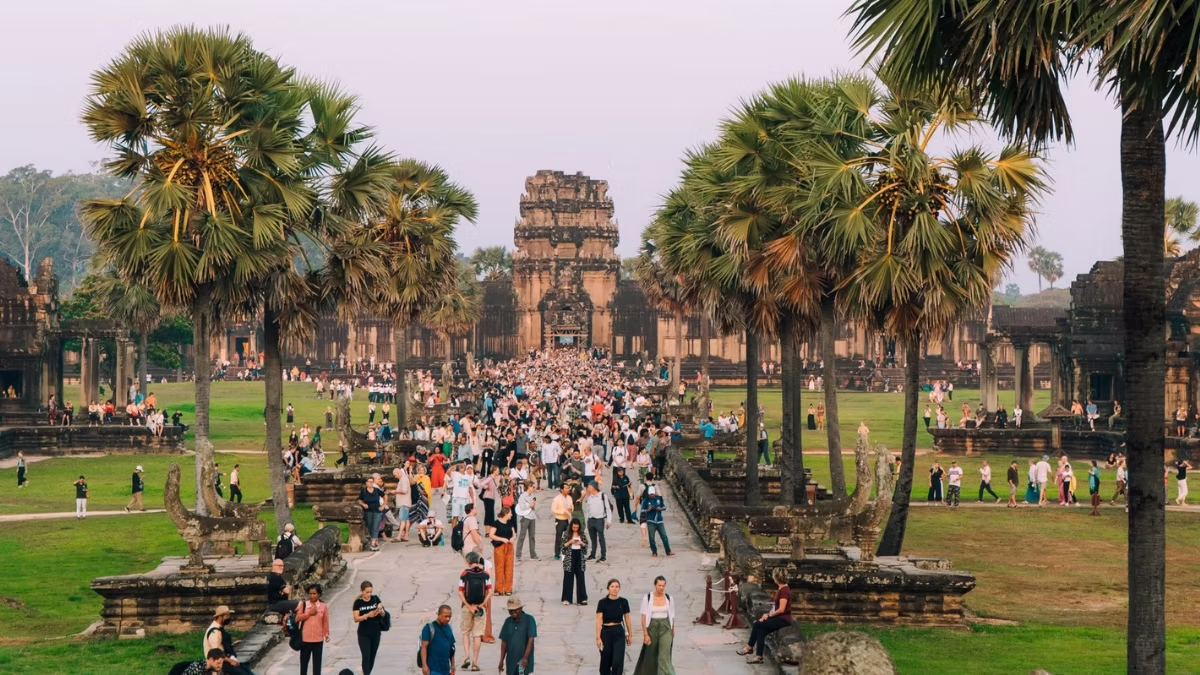
Angkor Wat Crowds
Find the quietest times of day, week, and year to explore Angkor Wat with fewer tourists and a more peaceful atmosphere.
Read more →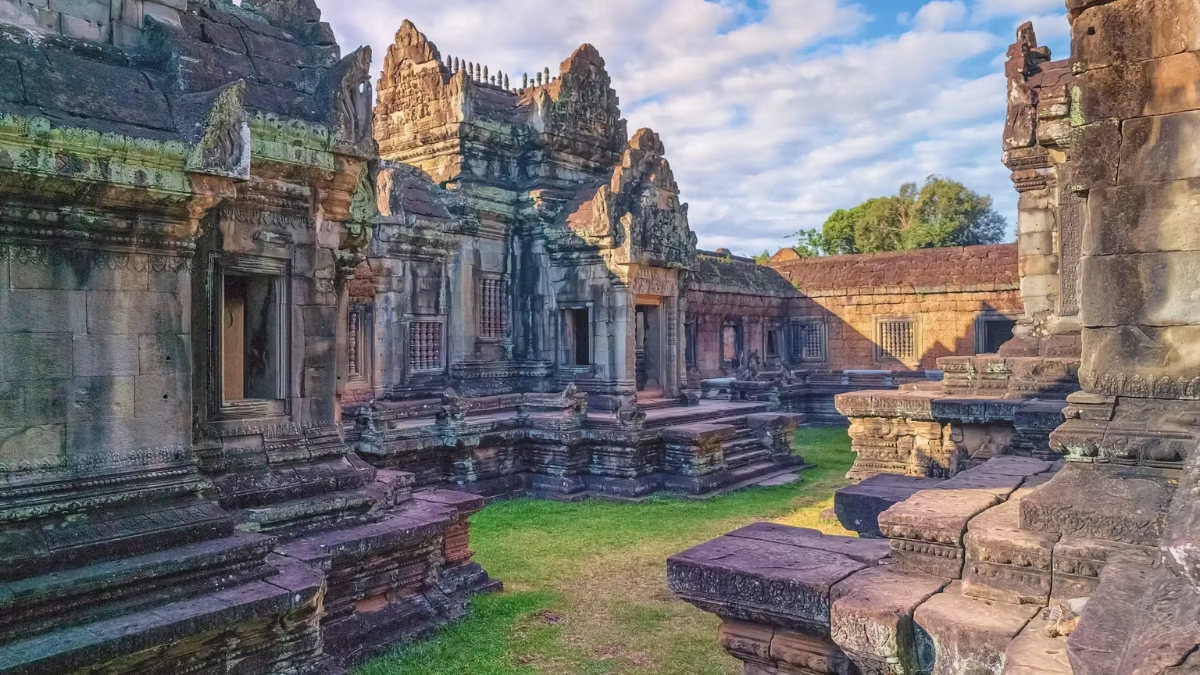
Angkor Wat FAQ
Comprehensive answers to the most common questions first-time and repeat visitors ask before their trip to Angkor.
Read more →
Angkor Wat Official Website
Links to the official Angkor Enterprise ticketing portal, APSARA Authority information, and trusted planning resources.
Read more →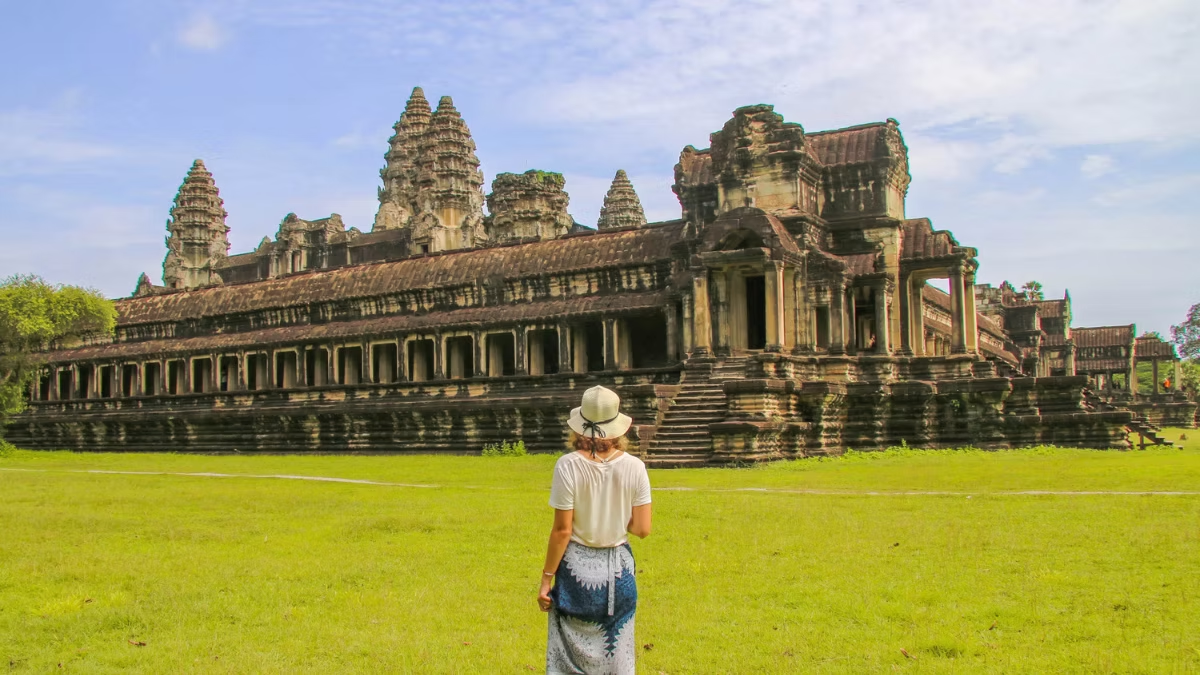
Angkor Wat for Solo Travelers
Safety, logistics, transport options, and the best ways for solo visitors to get the most from their time at Angkor Wat.
Read more →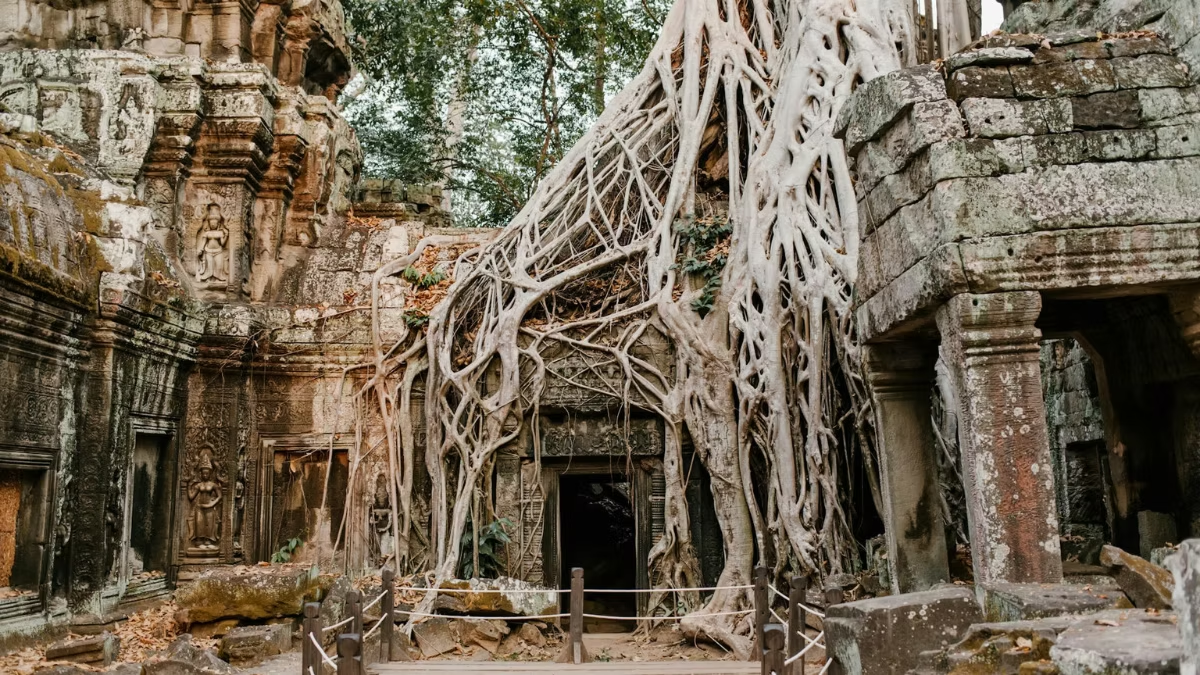
Angkor Wat Rules & Visitor Etiquette
Dress requirements, behaviour rules, restricted zones, and the etiquette expected at this active Hindu-Buddhist shrine.
Read more →At the Temple
Practical guides for a comfortable, respectful, and well-prepared visit once you arrive at Angkor Wat.

Angkor Small Circuit vs Grand Circuit
Compare the two main touring routes to decide which temples to include and how to structure your day at Angkor.
Read more →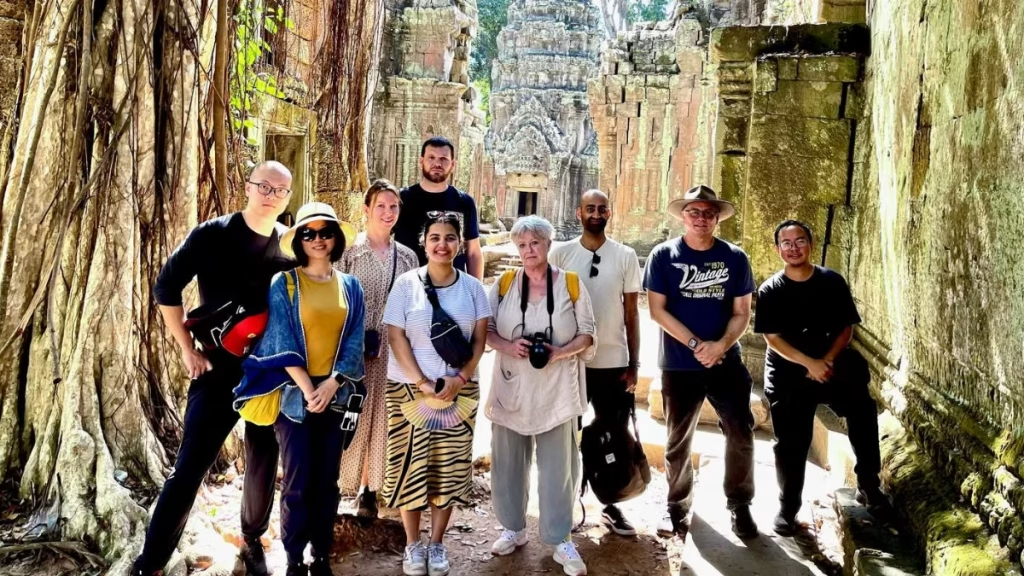
Angkor Wat Dress Code
What to wear and what to avoid at Angkor Wat — shoulders and knees must be covered at all temple entrances.
Read more →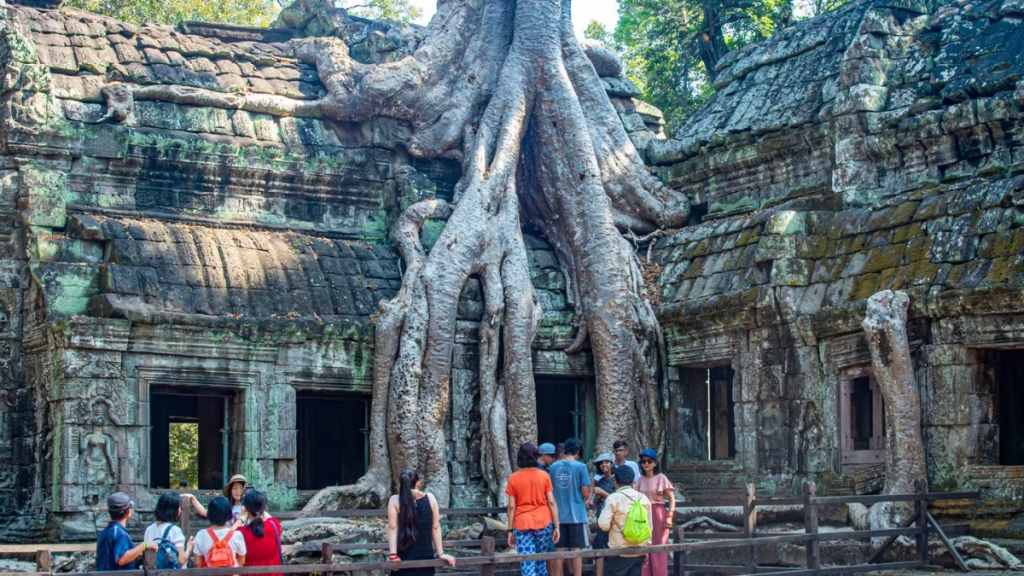
What to Expect on Your First Visit to Angkor Wat
A realistic walkthrough of what arrival, security, temple access, crowds, and the overall experience looks like on the day.
Read more →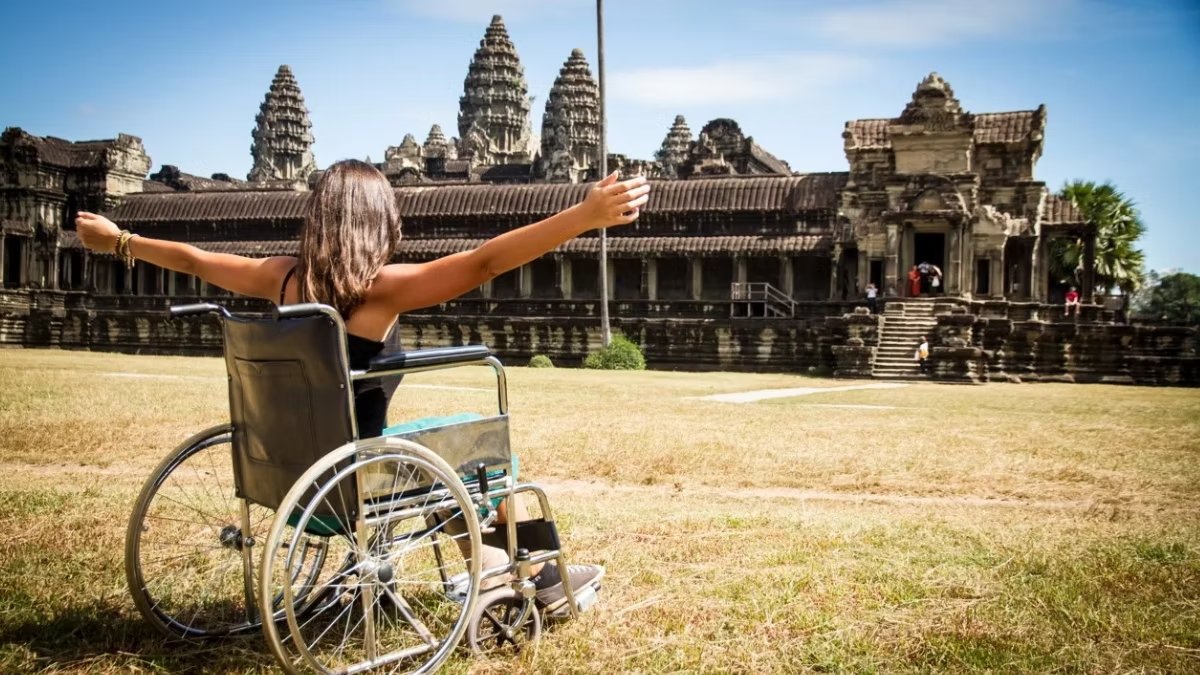
Angkor Wat Accessibility Guide
Wheelchair access, mobility considerations, and practical advice for visitors with disabilities exploring Angkor Wat.
Read more →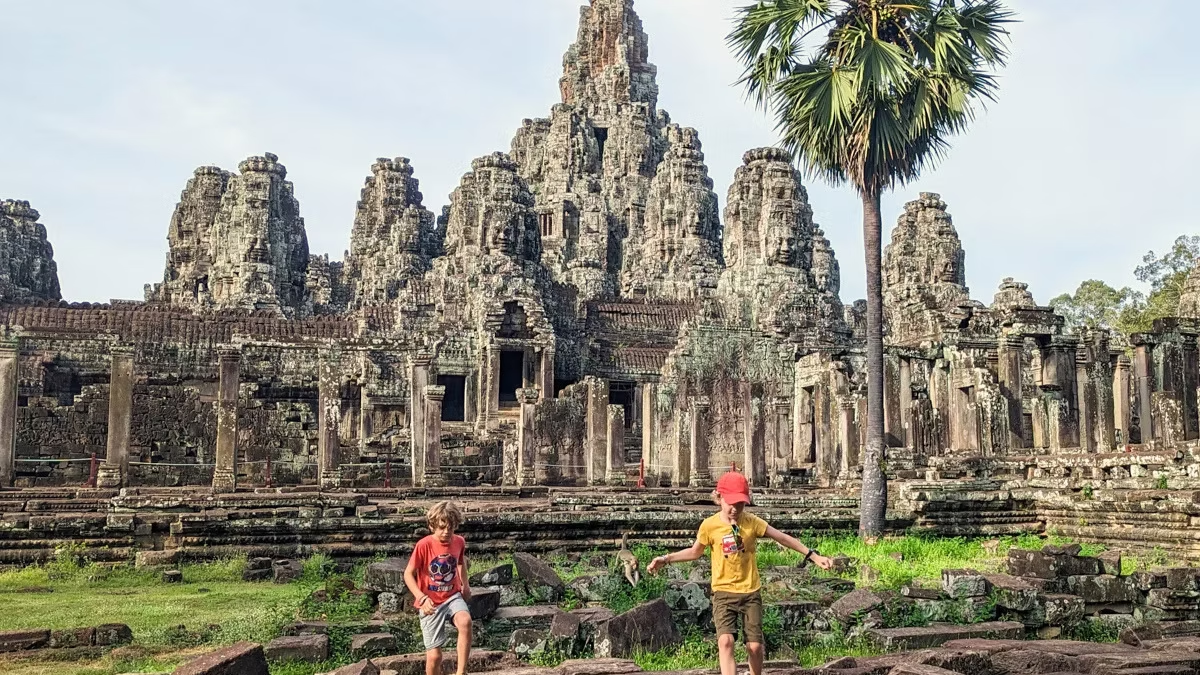
Angkor Wat with Kids
Age-appropriate temple routes, safety tips, rest stops, and everything parents need to know for a family trip to Angkor.
Read more →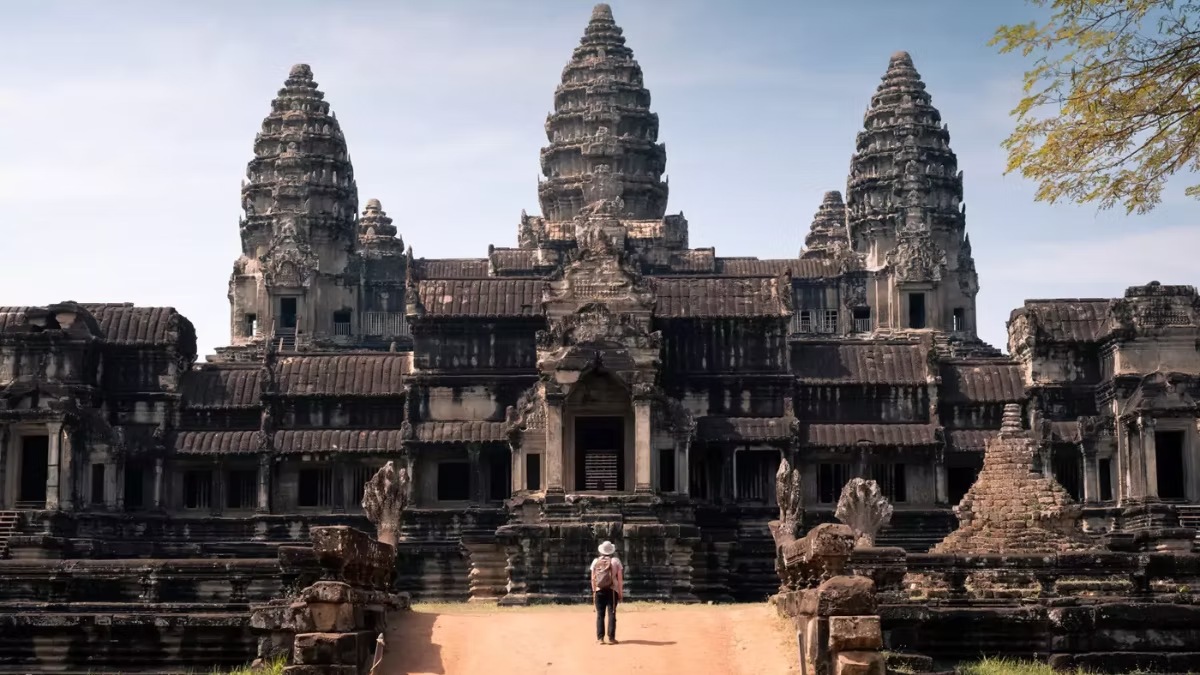
Angkor Wat Photography Tips
The best vantage points, lighting times, camera settings, and photography rules to know before shooting at Angkor Wat.
Read more →Practical Information
Quick-read guidance on tickets, timing, dress, and on-site logistics to make your visit run smoothly.
Getting There & Entry
Angkor Wat sits 5 km north of Siem Reap and is accessible by several transport options.
- Tuk-tuk from Siem Reap centre costs $15–20 for a full-day hire — negotiate before you depart
- Bicycle rental ($2–5/day) lets you ride the 5 km approach road at your own pace
- Angkor Pass is sold at the official ticket centre on the airport road, not at the temple gates
- Passes are 1-day ($37), 3-day ($62), or 7-day ($72) — 3-day passes do not need to be used on consecutive days
- Ticket centre opens at 5:00 am; arrive before 7:30 am to beat coach tour queues
Best Times to Visit
Timing your visit determines whether you see Angkor Wat in crowds or near solitude.
- Sunrise (5:30–7:00 am) is the iconic shot from the reflecting pool — arrive by 5:15 am to get a spot
- Late afternoon (4:00–6:00 pm) offers warm golden light and thinner crowds after day-trippers leave
- Dry season (Nov–April) means clear skies but peak tourist numbers; wet season (May–Oct) brings lush greenery and fewer visitors
- Midday heat (10 am–2 pm) regularly exceeds 35°C — plan temple interiors or a lunch break during this window
- Mondays and weekends attract more domestic visitors; Tuesday–Thursday are typically quietest
Dress Code & Temple Rules
Angkor Wat is an active Hindu-Buddhist shrine with strict dress requirements enforced at the entrance.
- Shoulders and knees must be covered — carry a sarong or light scarf if wearing shorts or a tank top
- Shoes must be removed before entering the main sanctuary tower (Bakan) and several inner galleries
- Climb the steep 65° stairs to the central tower slowly — handrails are available but the ascent is strenuous
- Photography inside the inner sanctuary is permitted but flash and tripods are discouraged by guards
- Drones require a permit from the APSARA Authority; flying without one risks confiscation and a fine
On-Site Practicalities
Plan food, water, and rest stops before you arrive — facilities inside the complex are limited.
- Water and snacks are sold by vendors at the main entrance and along the outer gallery walkway
- The nearest sit-down restaurants cluster outside the east and west gates — budget 45–60 minutes for lunch off-site
- Lockers are not available inside; leave valuables at your hotel or use a small day pack
- Wheelchair access is possible along the ground-level causeways and outer galleries; the steep upper terraces are not accessible
- Audio guides ($5) and licensed human guides ($25–40/half day) can be hired at the main ticket gate
Things to Know Before You Go
Key reminders for a hassle-free visit to Angkor Wat.
Continue Exploring Angkor Wat
Discover what to see inside the temple complex and find the right ticket or tour for your visit.
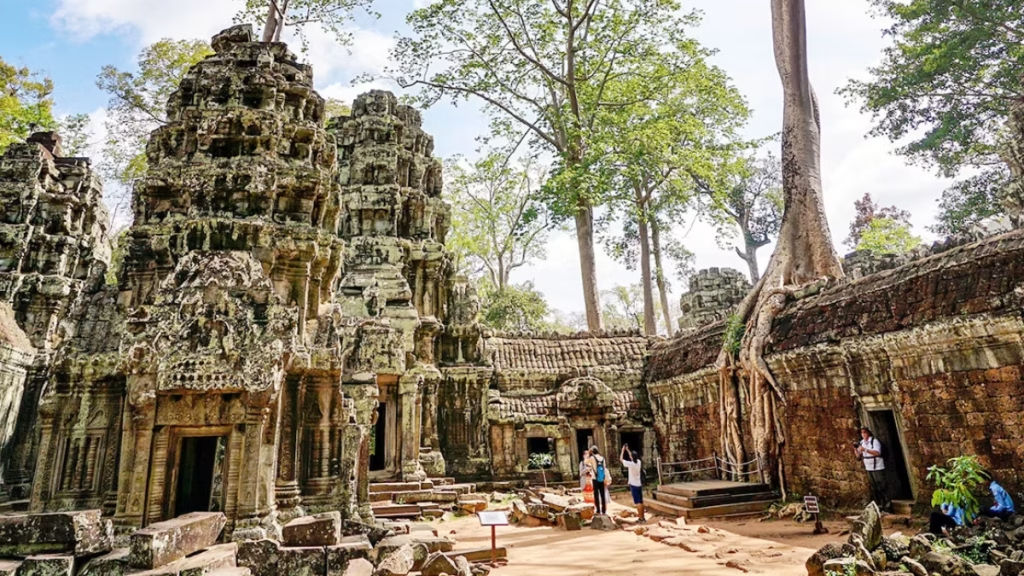
Angkor Wat Tickets & Tours
Compare all available tickets, guided tours, private tours, and combo packages.
Browse tickets →
What to See at Angkor Wat
Discover the must-see temples, hidden highlights, and top photographic spots.
Explore highlights →Frequently Asked Questions
Common questions visitors ask when planning a trip to Angkor Wat.