
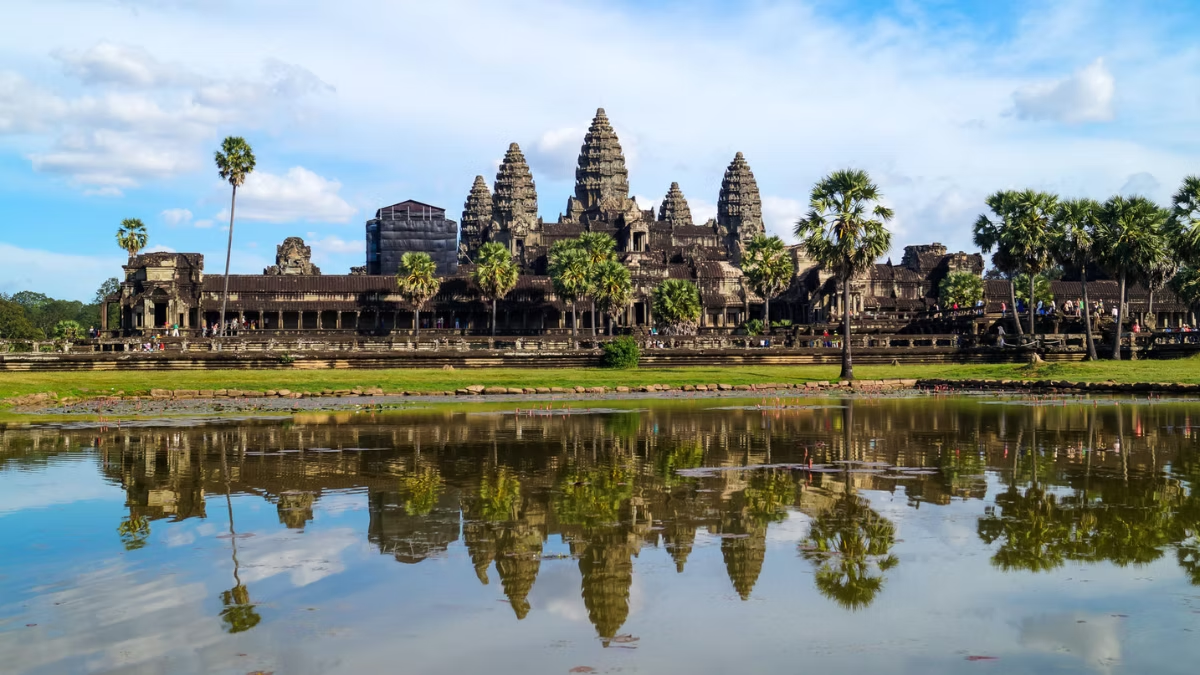
What to See at Angkor Wat
From the iconic main temple to hidden jungle ruins and sacred courtyards. Here are the must-see highlights, top photo spots, and insider tips for experiencing the best of Angkor Wat.
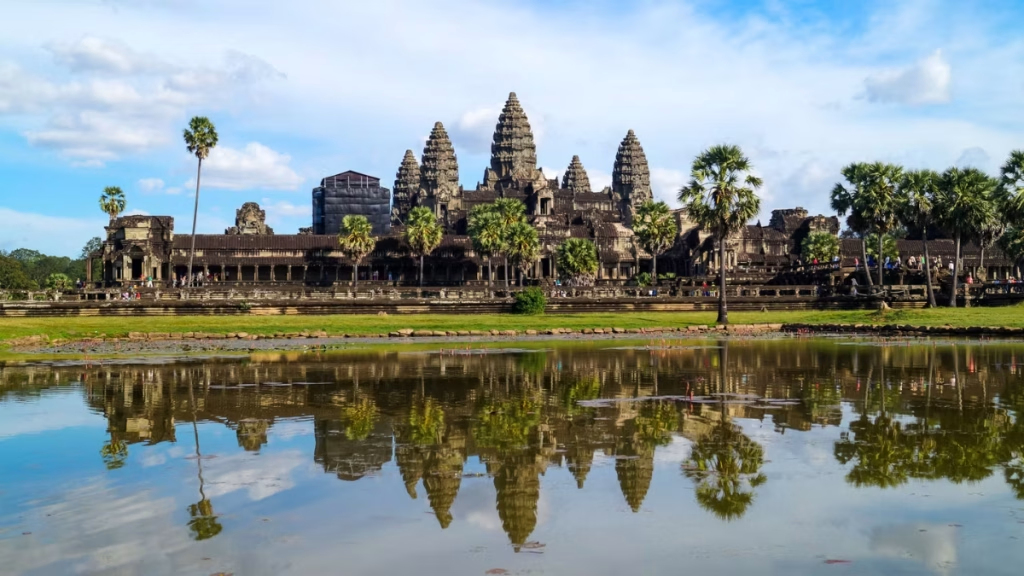
Top Highlights at Angkor Wat
The headline sights and experiences most visitors want to see first.
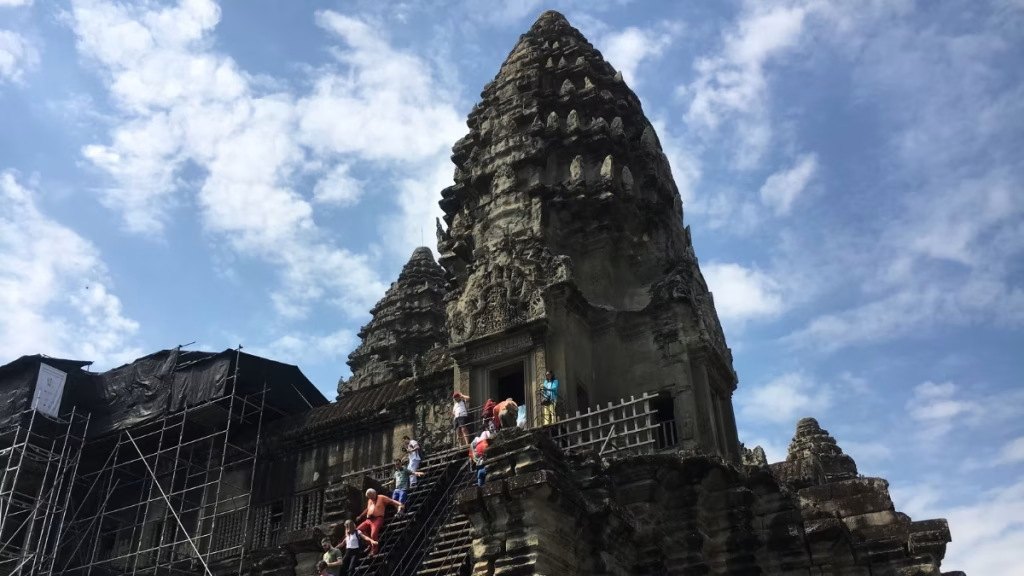
Angkor Wat Main Temple Complex
The world’s largest religious monument, Angkor Wat’s five towers and intricate bas-relief galleries stretching nearly half a kilometre demand at least two hours to explore properly. Arrive before sunrise to witness the iconic reflection in the western causeway moat.
Read more →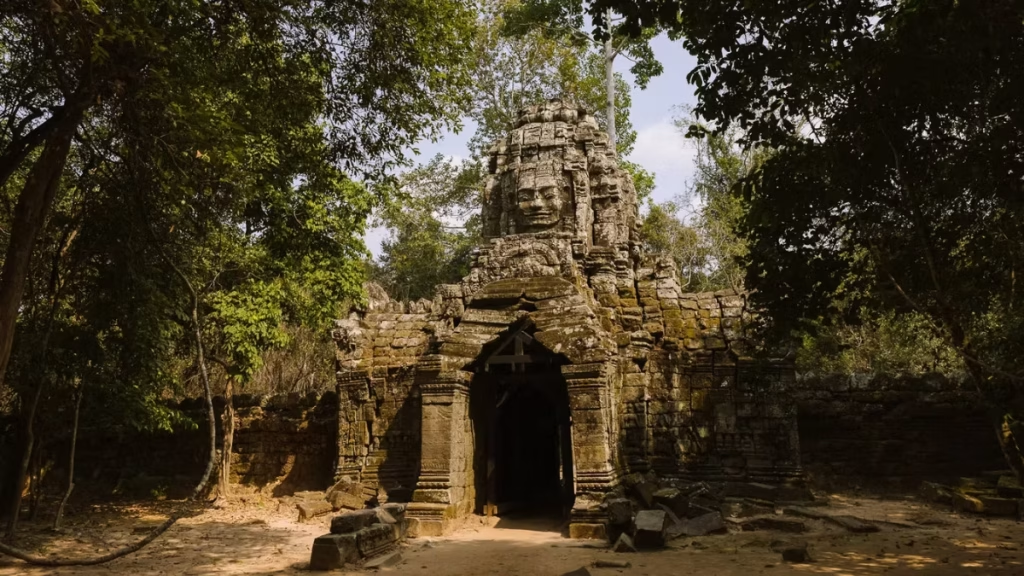
Bayon Temple & the Face Towers
At the heart of Angkor Thom, Bayon’s 54 towers bear 216 serene stone faces gazing in every direction — one of the most haunting and photographed sights in Southeast Asia. Explore the two levels of bas-reliefs depicting historic battles and everyday Khmer life.
Read more →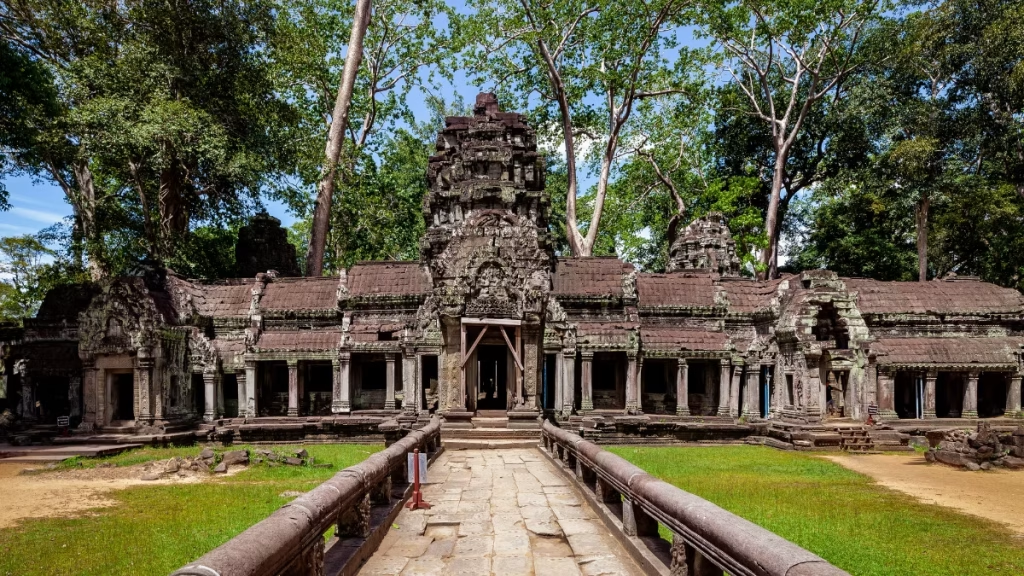
Ta Prohm — the Jungle Temple
Left partially unrestored by archaeologists, Ta Prohm is where enormous strangler fig and silk-cotton trees have grown directly through the temple walls and galleries, creating a dramatic fusion of nature and ancient stone. It is the most atmospheric temple in the Angkor complex.
Read more →All Temples & Sites
Every temple and site covered in our guides
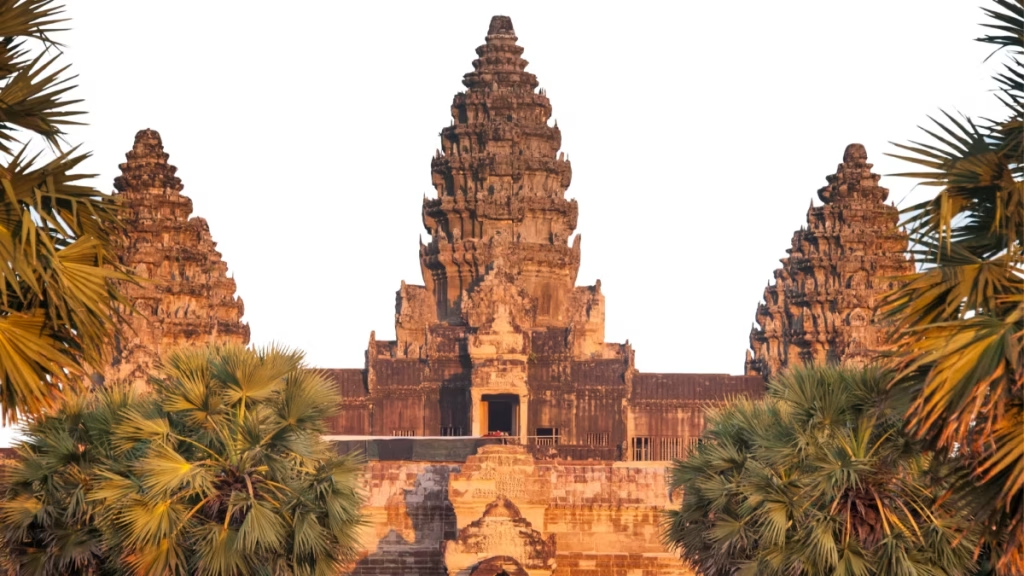
Angkor Wat Towers — The Central Sanctuary Explained
Angkor Wat has five towers arranged in a quincunx pattern — one central tower and four corner towers representing Mount Meru and the cosmos in Khmer religious cosmology.
Read more →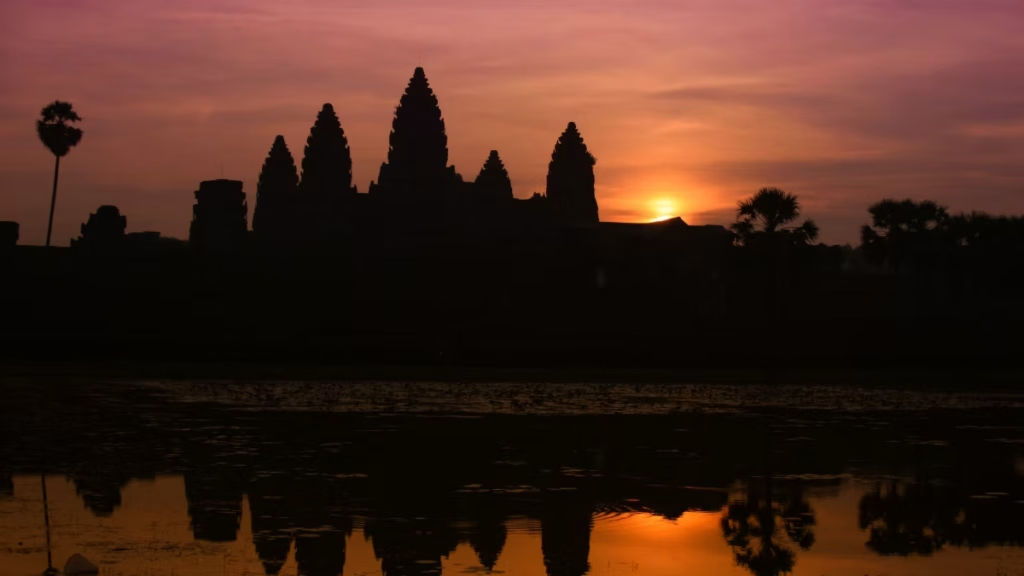
Angkor Wat Sunrise — What to Expect & How to Plan It
Sunrise at Angkor Wat is one of the most celebrated travel experiences in Southeast Asia — here is what to expect and how to make the most of it.
Read more →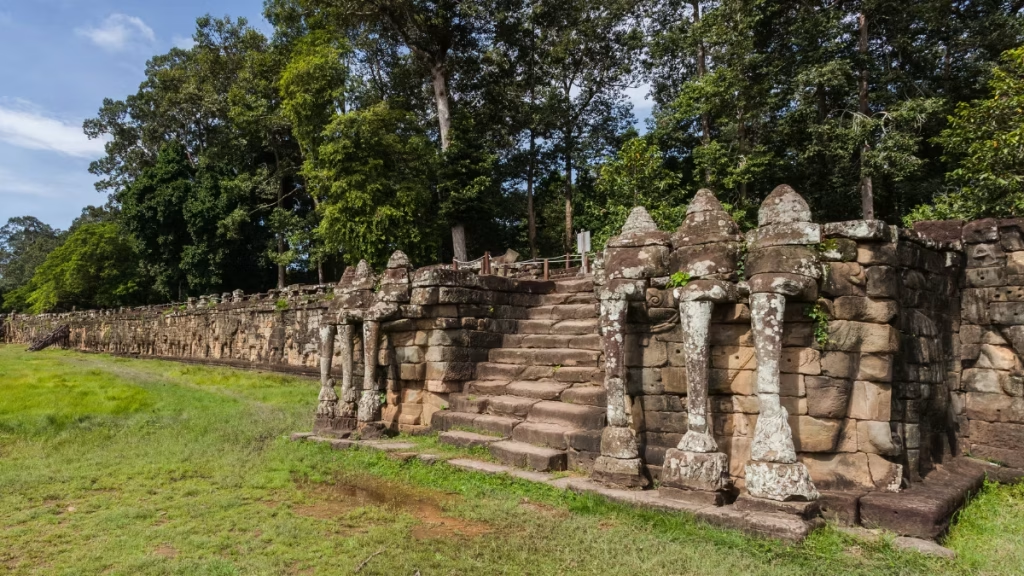
Terrace of the Elephants & Terrace of the Leper King
The Terrace of the Elephants is a 300-metre-long elevated stone platform decorated with life-size elephant carvings along the royal parade ground of Angkor Thom.
Read more →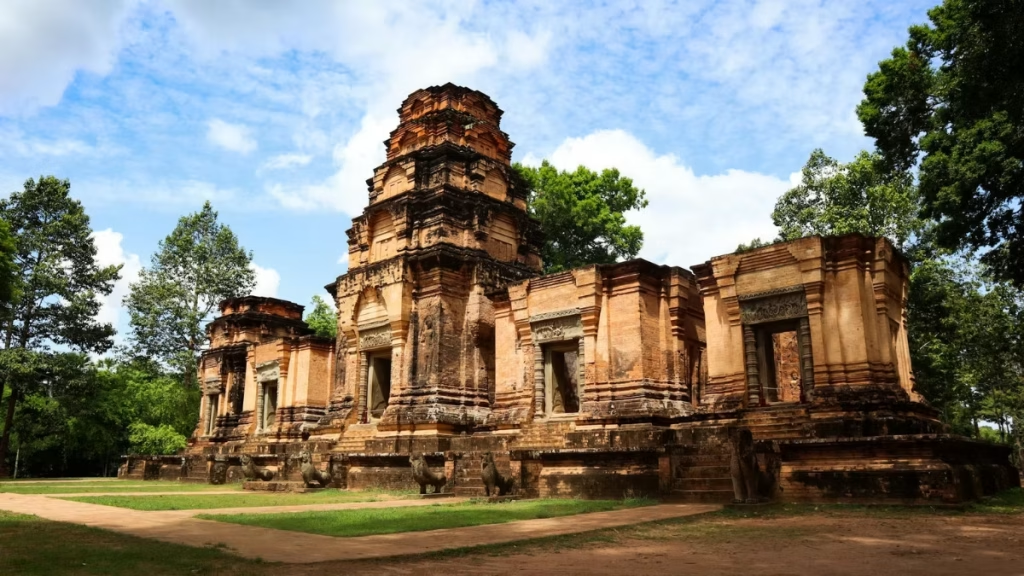
The Roluos Group Temples — Angkor’s Earliest Ruins
The Roluos Group is a cluster of three 9th-century Khmer temples that predate the main Angkor complex and represent the earliest monuments of the Khmer Empire.
Read more →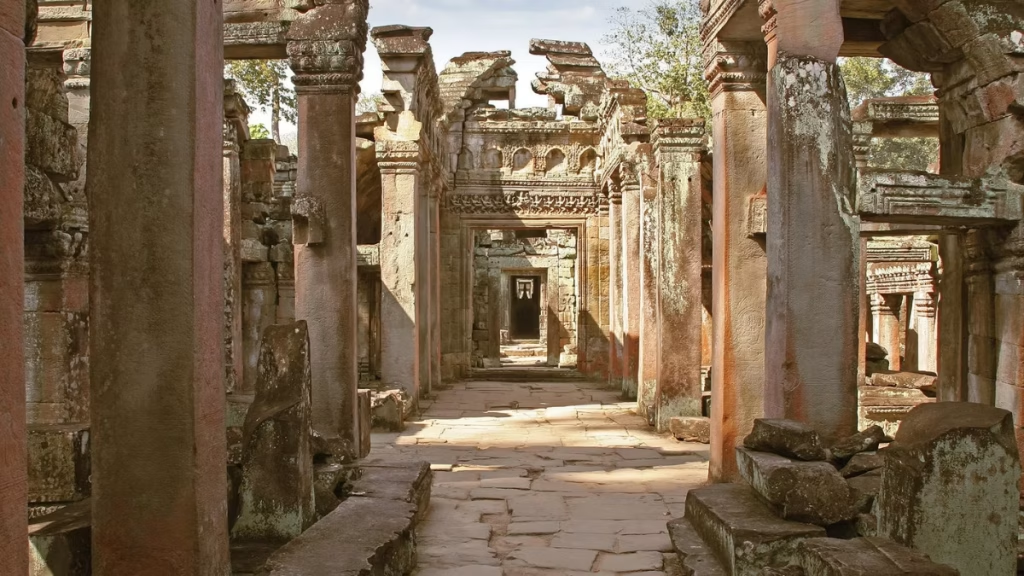
Preah Khan Temple — The Complete Visitor Guide
Preah Khan (“Sacred Sword”) is a large, largely unrestored Buddhist temple built by King Jayavarman VII in the late 12th century on the site of a historic military victory.
Read more →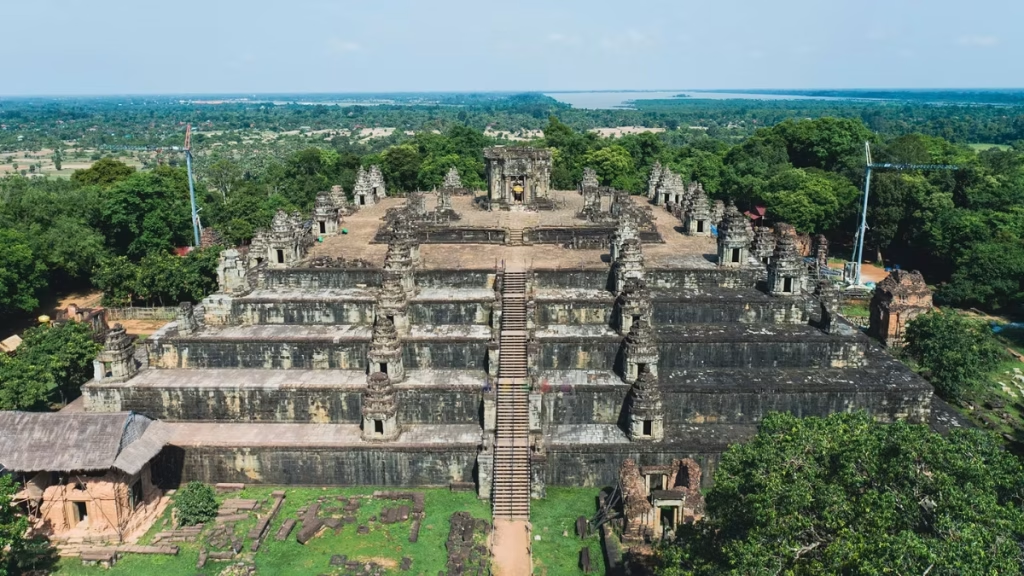
Phnom Bakheng — Angkor’s Best Sunset Temple
Phnom Bakheng is a hilltop Hindu temple built in the late 9th century, famous for its panoramic sunset views over the Angkor Archaeological Park.
Read more →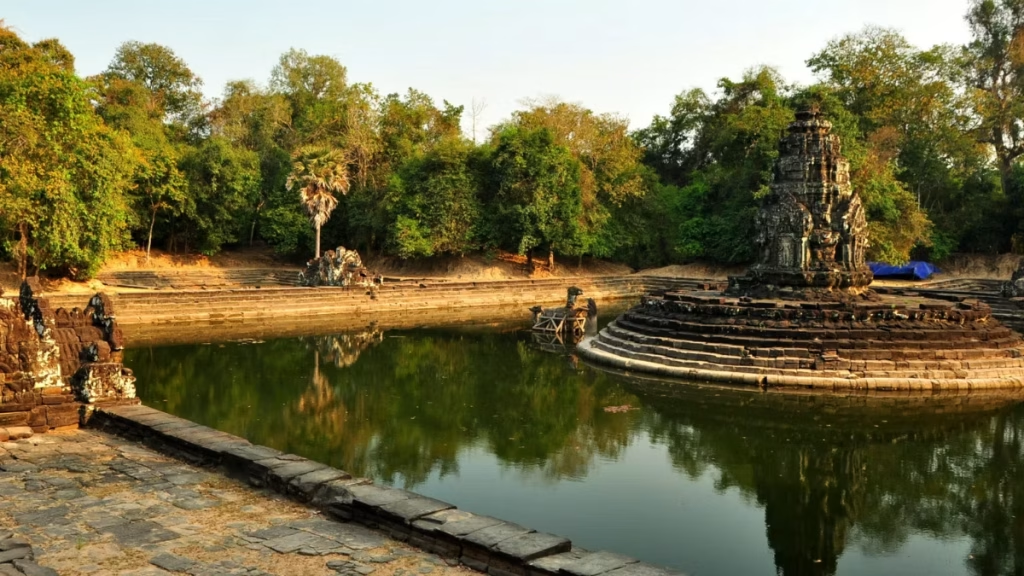
Neak Pean Temple — The Island Sanctuary Guide
Neak Pean (“Intertwined Serpents”) is a small but remarkable 12th-century Buddhist island temple set in the middle of a large reservoir in the Angkor complex.
Read more →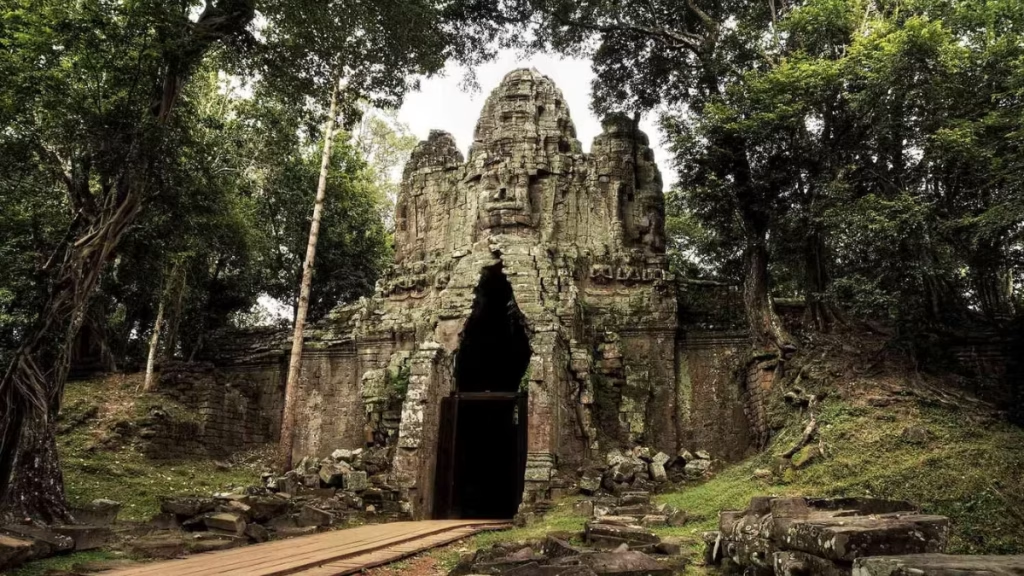
The Khmer Empire — History Behind the Temples of Angkor
The Khmer Empire (802–1431 CE) was one of the most powerful civilisations in Southeast Asian history, responsible for the construction of Angkor and hundreds of temples across the region.
Read more →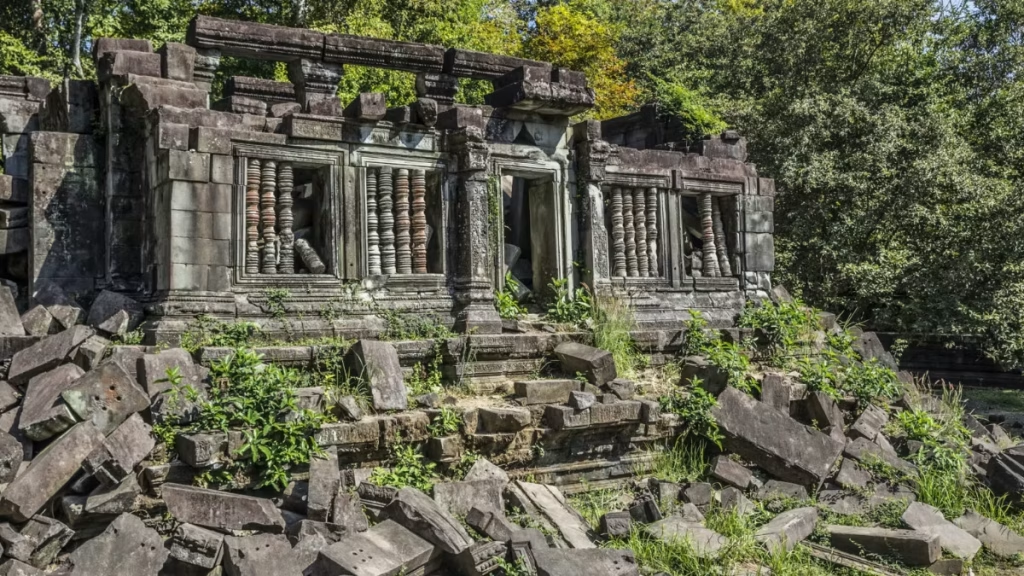
Beng Mealea Temple — The Jungle Temple Guide
Beng Mealea (“Lotus Pond”) is a 12th-century Khmer temple approximately 68km east of Siem Reap, notable for being largely unrestored and dramatically overgrown.
Read more →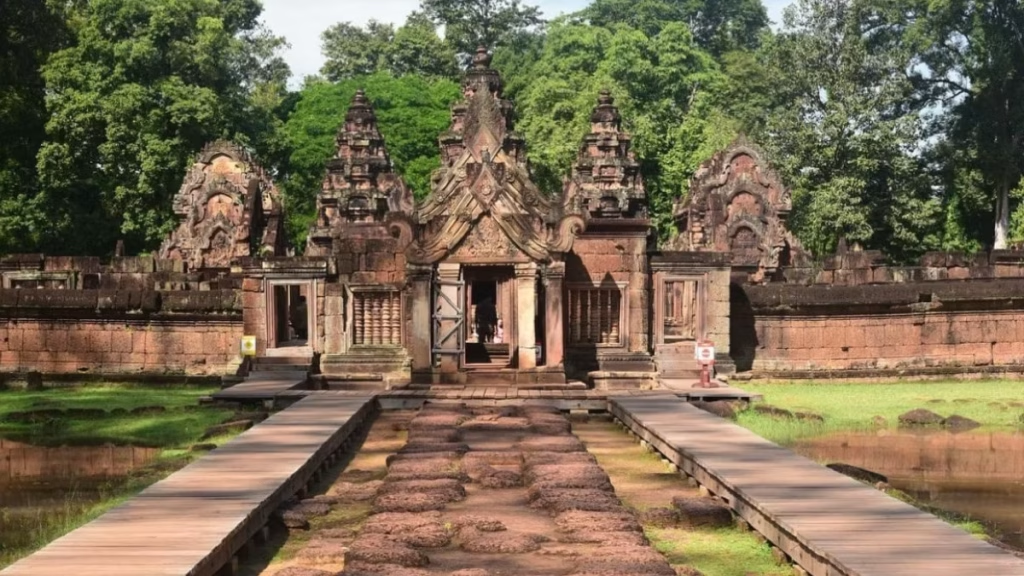
Banteay Srei Temple — Pink Sandstone & Fine Carvings
Banteay Srei (“Citadel of Women”) is a 10th-century Hindu temple renowned for its exceptionally fine carvings in rose-pink sandstone, considered among the finest in Khmer art.
Read more →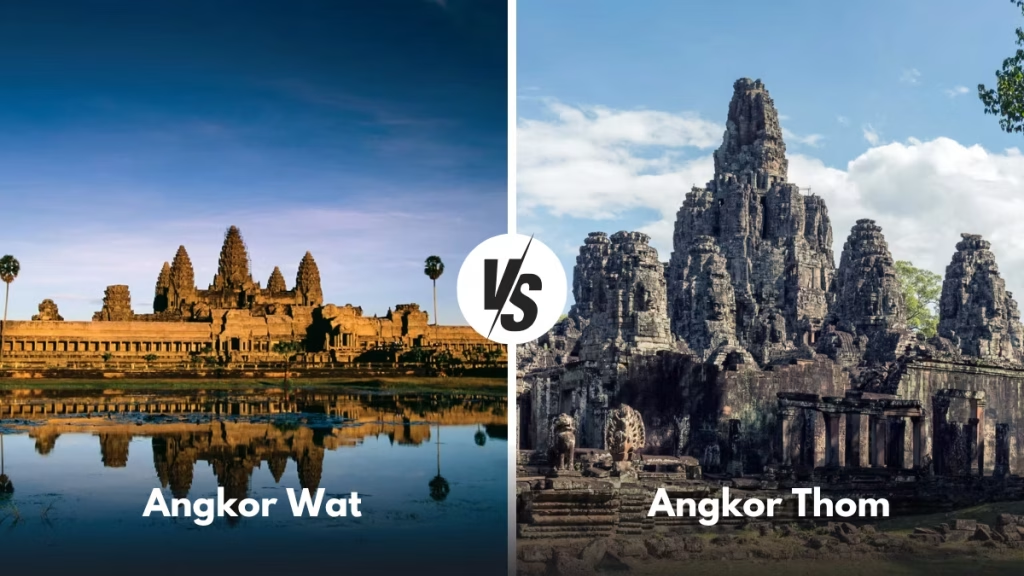
Angkor Wat vs Angkor Thom — Key Differences Explained
Angkor Wat is a single temple complex; Angkor Thom is a walled city containing multiple temples including the famous Bayon. Here is how they differ.
Read more →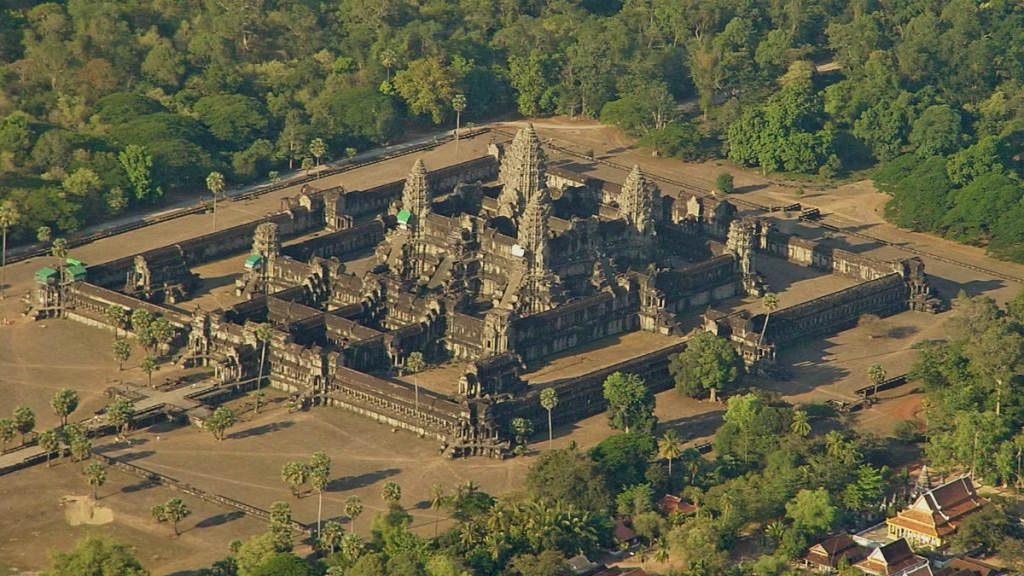
Angkor Wat History & Architecture — The Full Story
Angkor Wat was built in the early 12th century (c.1113–1150 CE) by King Suryavarman II as a Hindu temple dedicated to Vishnu and the royal mausoleum for the Khmer Empire.
Read more →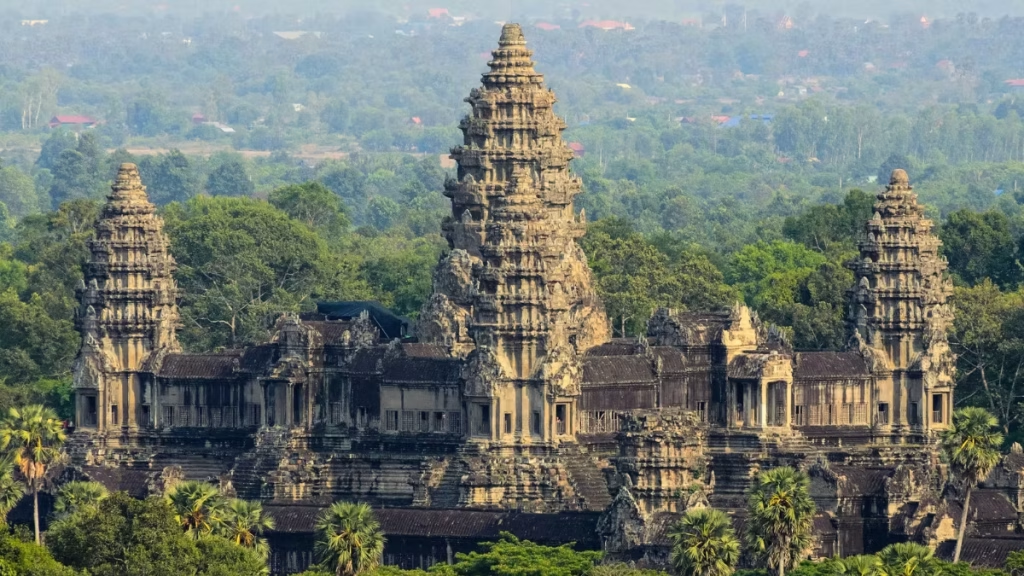
Angkor Wat Hidden Gems — Lesser-Known Spots Worth Visiting
The Angkor Archaeological Park contains dozens of temples beyond the famous three. These are the hidden gems most visitors miss entirely.
Read more →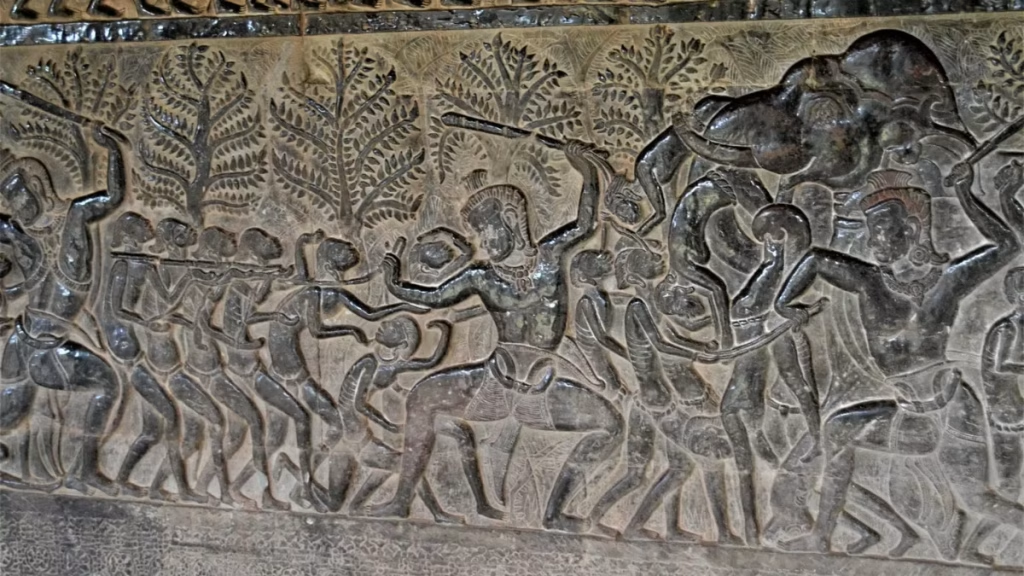
The Bas-Reliefs of Angkor Wat — A Complete Visual Guide
The bas-reliefs of Angkor Wat line the outer gallery of the first enclosure in an 800-metre-long continuous narrative depicting Hindu mythology and Khmer history.
Read more →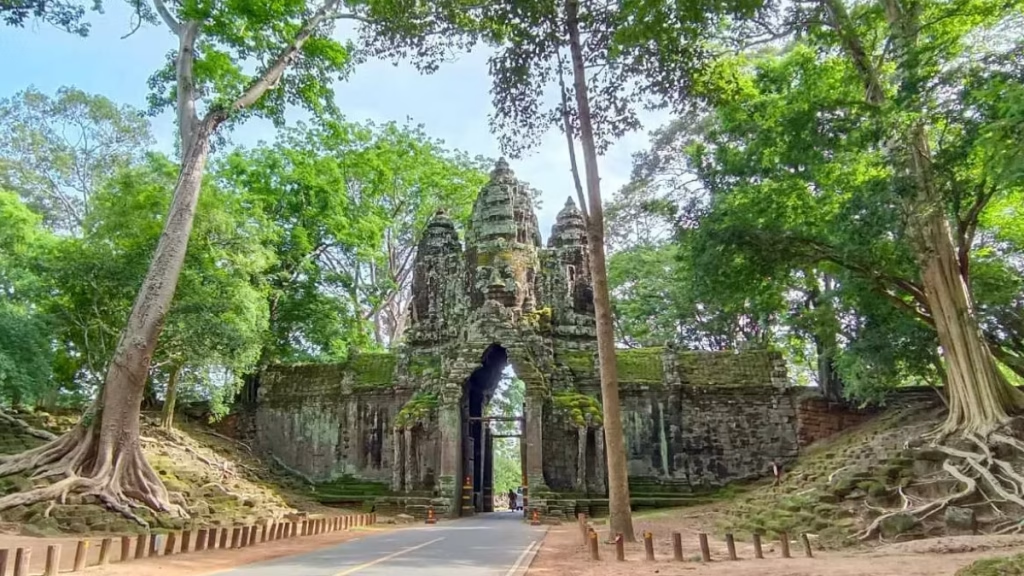
Angkor Thom — Complete Guide to the Ancient Khmer Capital
Angkor Thom (“Great City”) is the last and greatest capital of the Khmer Empire, enclosed within a 9km wall and containing multiple temples, terraces, and royal buildings.
Read more →How to Choose What to See
A quick guide based on your interests and visit style.
If you have limited time (1 day)
- Arrive before dawn to catch sunrise over the main temple’s five towers
- Spend the morning in the main temple complex — the bas-reliefs and inner galleries alone take 2 hours
- Visit Angkor Thom and the Bayon’s stone faces in the afternoon when crowds thin
- Skip outlying temples like Banteay Srei — save those for a second day
If you want the full Angkor experience
- Day 1: Angkor Wat at sunrise, then Ta Prohm and Banteay Kdei
- Day 2: Angkor Thom circuit — Bayon, Baphuon, Terrace of the Elephants
- Day 3: Outlying temples — Banteay Srei for intricate carvings, Pre Rup for sunset views
- Consider a tuk-tuk driver for days 1–2 and a bicycle for the smaller day-3 circuit
If you’re visiting with young children
- Start at 6am — temples are cooler, less crowded, and children stay engaged longer
- Ta Prohm’s tree-root ruins are a hit with children (feels like a jungle adventure)
- Bring water, sunscreen, and a carrier for toddlers — paved paths are uneven in places
- Avoid the steep inner sanctuary stairs with children under 7 — they are near-vertical
If you’re interested in photography
- Sunrise from the main reflecting pool is the classic shot — arrive by 5:15am for a good spot
- Golden-hour light hits the western façade best; blue-hour light favours the eastern side
- Ta Prohm and Preah Khan offer dramatic tree-root shots that look best on overcast days
- The inner sanctuary galleries have low light — bring a fast lens or a tripod if allowed
Continue Exploring Angkor Wat
Book your tickets and plan the practical details of your visit.
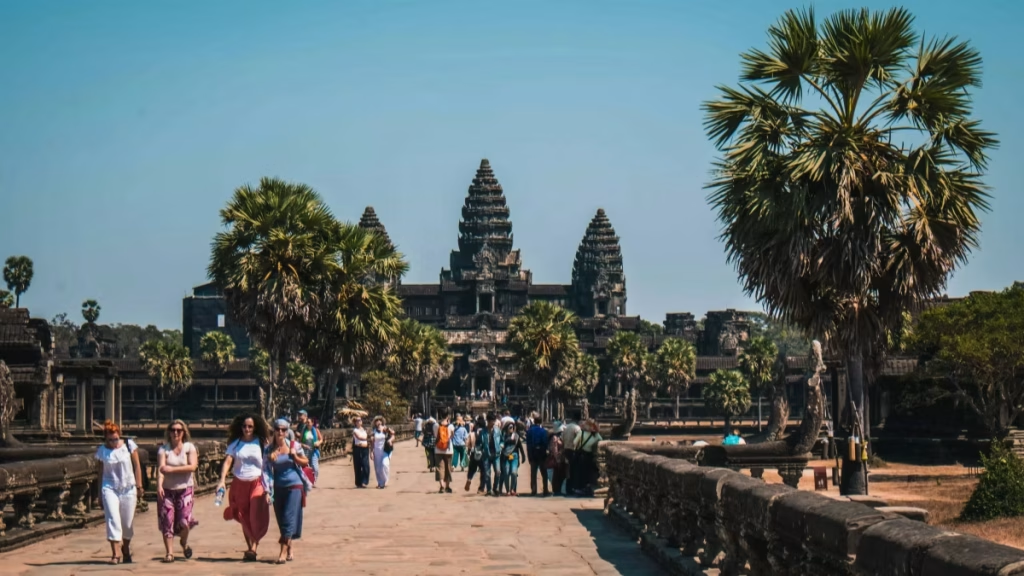
Plan Your Visit to Angkor Wat
Opening hours, dress code, transportation, accessibility, and practical tips for making the most of your visit.
Explore planning guides →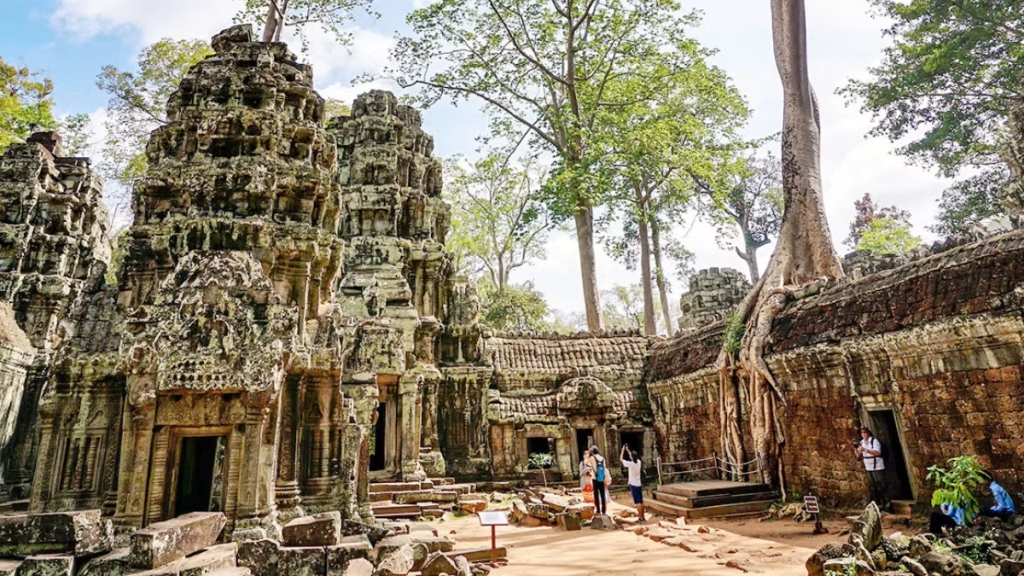
Angkor Wat Tickets & Tours
Compare all ticket types, guided tours, private tours, sunrise and sunset experiences, and special packages.
Browse all tickets →Frequently Asked Questions
Common questions about what to see and prioritise at Angkor Wat.